
 EN
EN


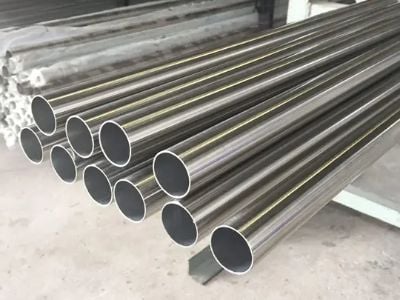
Steel pipes they are really important in many industries, like building things and making products. They carry liquids and gases with pressure inside. The thick of the pipe is very key for how much pressure it can take. If pipe too thin, it maybe burst or start leaking sometime. But thicker one can stand much more force and not break easy. Our company Jinzheng, we make good quality steel pipe that fit different pressure need. Knowing about thickness and pressure help you pick better for your work, so it safe and work good.
What Is the Impact of Steel Pipe Thickness on Pressure Ratings?
Thickness of steel pipe effect directly on its pressure rating. So thicker pipes can handle higher pressure no problem. Like when you blow balloon, if balloon thick and strong it hold more air before pop. Same thing with stainless steel pipe. For example, usual pipe with 0.5 inch thick support some pressure, but change to 1 inch thick and it support way more. This very important in places where move high pressure liquid or gas. If pipe not strong enough, leak or explosion can happen and that dangerous. Thicker pipes also more tough, they resist hit or corrosion from outside. That make them last longer and you save money because less repair. Choosing correct thickness very essential for safety and how it perform. At Jinzheng we make sure our pipes meet various pressure thing, so you feel relax.
How to Choose the Right Steel Pipe Thickness for Maximum Pressure Resistance?
Picking right thickness for steel pipe not just take the thickest one you see. It about know what your project really need. First think what you transport in the pipe. If high pressure gas or liquid, usually thicker pipe better. But if pressure low, thinner one can be enough sometime. Also consider where stainless steel pipework will use, if bad weather or chemicals around, thicker help protect from damage.
Next check what pressure your system need. Different work have different rules. Know that help pick correct thick. Like water system maybe need certain pressure rating, but oil transport often want even thicker pipes. It good idea talk with experts like us in Jinzheng. Our people can advice you best thickness based on experience and standard in industry. And finally, think about future also. If pressure maybe go up later, better choose thicker now. This way no need replace later and save time plus money.
What Thickness of Steel Pipe Is Best for High-Pressure Systems?
When speak about steel pipes, thickness matter alot especially for high pressure system. Pipe thickness help it hold pressure from fluid inside. If too thin it can't support and maybe break or leak. For high pressure like in factory or power plant, thicker pipes usually best choice. Often people recommend at least schedule 80 or more thick for these. That mean wall thicker than normal pipe, so more strong. The thick wall prevent burst under big pressure.
At Jinzheng we know right thickness make big differents for safety and quality. Use correct one keep everything run smooth. If pipe burst it cause many trouble, accident and costly fix. Thicker pipe more durable so last longer. Replacing pipe cost lot and take time. When pick steel pipe for high pressure, must look at pressure level it face. Higher pressure mean need thicker pipe. Always check rating of pipe and make sure match your system need. That way your system stay safe and work efficient.
What Are the Benefits of Using Thick-Walled Steel Pipes in Industrial Applications?
Use thick-walled steel pipes in industry have many good point. First they very strong and handle high pressure easy. Important for system carry gas or liquid with big pressure. Thicker one less chance break or leak, so safer. In oil and gas industry where safety most important, thick walled pipe necessary. They carry heavy thing and resist damage over time.
Another good thing thick pipe resist corrosion better. Corrosion happen when metal touch water or chemical and get weak. Thick have more material to fight this, so last much longer. Less maintenance and replace mean company save money. At Jinzheng we see durable material improve whole system efficiency.
Also thick walled pipe help reduce noise. In many factory lots noise from machine and fluid moving. Thicker pipe muffle sound little, workplace become nicer for worker. This can make better work and more productive. And last, thick pipe can make flow better sometime. Thicker wall give smoother inside, liquid or gas move easy. So thick walled pipe not only safe but improve performance too, great for many industry.
How to Avoid Common Usage Issues Related to Steel Pipe Thickness and Pressure Ratings?
Use steel pipe correct way important to avoid problem, specially about thickness and pressure rating. One usual mistake is not pick right thick for pressure. If pipe too thin for pressure it face, it can break. To stop this always check pressure rating of pipe you use. Make sure it fit condition of your system. At Jinzheng we suggest talk expert or use guide to select good thickness.
Another issue during install. Sometime pipe get damage or bend, that affect strength. Prevent by handle careful and follow good install way. Use proper tool and method so pipe install correct and safe. Also check regular for any wear or damage sign. This catch problem early before big.
Lastly train worker about why pipe thickness and pressure rating matter. If all know how choose and use steel pipe right, system become safer and better. Make safety culture around this help alot. By understand thickness importance, worker help keep operation safe. Overall pay attention these detail make industrial system run smooth and safe, avoid expensive mistake and make performance better.
Table of Contents
- What Is the Impact of Steel Pipe Thickness on Pressure Ratings?
- How to Choose the Right Steel Pipe Thickness for Maximum Pressure Resistance?
- What Thickness of Steel Pipe Is Best for High-Pressure Systems?
- What Are the Benefits of Using Thick-Walled Steel Pipes in Industrial Applications?
- How to Avoid Common Usage Issues Related to Steel Pipe Thickness and Pressure Ratings?
